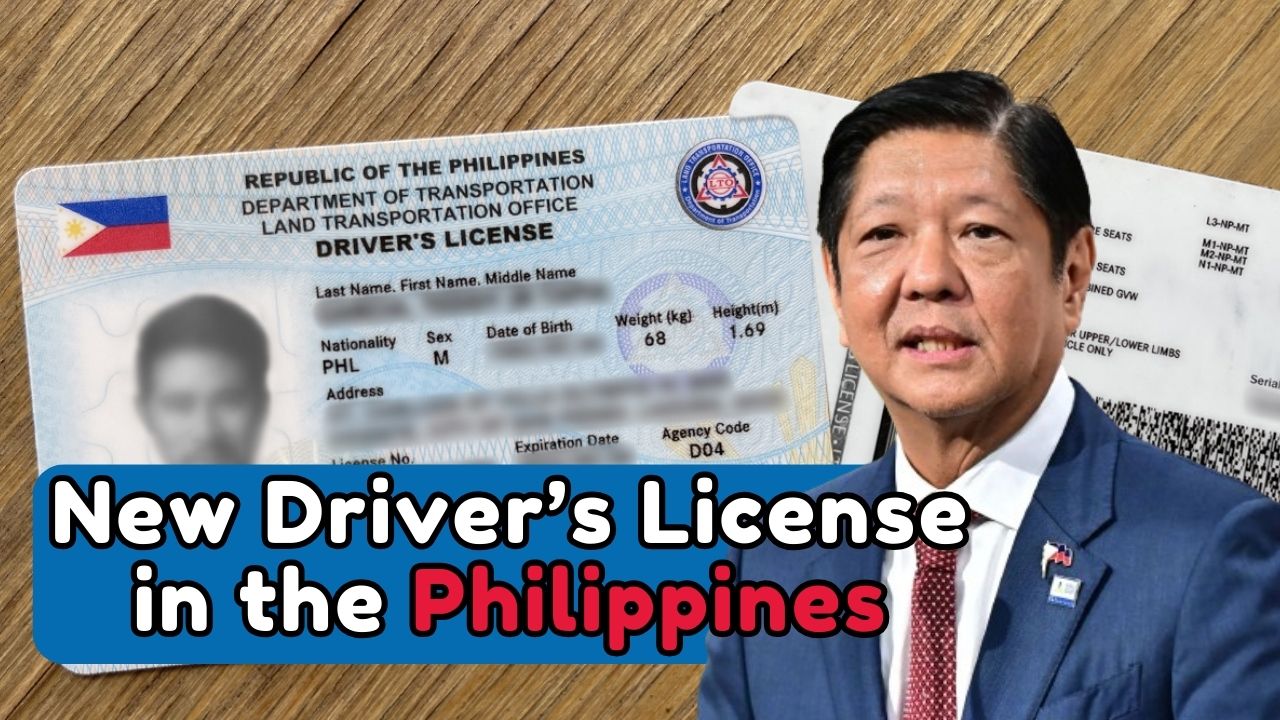
Getting a driver’s license for the first time in the Philippines is an important step toward independence and mobility. However, many first time applicants feel confused about where to begin. Some rely on second hand information, which often creates misunderstandings about the steps, requirements, and fees. The Land Transportation Office has introduced updates to make the licensing process safer and more organized.
The goal of these reforms is to ensure that new drivers understand traffic regulations and learn practical driving skills before receiving permission to drive on public roads. Instead of rushing applicants through the process, the updated policies emphasize proper training and safety awareness.
This detailed guide explains new eligibility requirements, license classifications, fees, safety rules and a complete step by step application process. It aims to help new drivers prepare confidently and avoid unnecessary delays.
Why Driver’s License Rules Were Updated in the Philippines
The updated license policies reflect several safety and modernization goals. Road accidents remain high in many areas. Lack of training and improper licensing practices contribute to collisions and injuries. The LTO revised the licensing process to reduce these risks and to encourage disciplined driving behavior among new drivers.
The new rules also clarify guidelines for schools, driving instructors and licensing examiners. This increases consistency between different LTO branches and private driving schools. Another goal is modernization through digital records, online applications and improved identification technology. The intent is to align Philippine driving standards more closely with international requirements and road safety regulations.
Summary of New Driver’s License Process
Item |
Details |
|---|---|
Responsible Agency |
Land Transportation Office (LTO) |
First Step |
Secure a student permit |
Written Exam |
Required for non professional and professional drivers |
Practical Driving Test |
Required before issuance of license |
Official Website |
Types of Driver’s Licenses in the Philippines
Applicants must determine which type of license they need before beginning. The vehicle classification determines which tests, fees and documents are required.
1. Student Permit
This is the first requirement for new drivers. It allows applicants to practice driving on public roads only when accompanied by a licensed driver. Its purpose is to give learners time to study road signs, practice basic driving techniques and prepare for the written and practical exams.
Requirements include a medical certificate, proof of identity, birth certificate and fee payment. The student permit is valid for a limited period and must be converted to a non professional or professional license within the allowed timeframe.
2. Non Professional Driver’s License
This license is intended for individuals who operate private vehicles for personal transportation. Holders cannot use this license for commercial driving services. To qualify, the student permit must be held for at least one month. Applicants must pass both the written exam and practical driving test administered by the LTO.
3. Professional Driver’s License
A professional license is for drivers who operate vehicles for employment purposes. Examples include taxi drivers, bus operators, truck drivers, ride hailing service providers and delivery drivers. This type of license may require more documentation, proof of driving experience, stricter medical screening and additional fees.
4. Special Licenses
Special licenses are for vehicles transporting hazardous materials, special use trucks, public utility buses or very large vehicles. Requirements for training and safety certifications may differ depending on vehicle type and operating purpose.
Updated Fees and Charges for Drivers
Fee Type | Amount in Philippine Peso
Application Form | 100
Written and Practical Exam | 100
Student Permit | 200
Driver’s License Card Fee | 252
Estimated Total License Cost | 652
Applicants should note that fees may vary slightly depending on LTO branch or payment channel. Additional charges may apply if applicants fail the written or practical tests and need retesting.
Programs for Senior Drivers and Students
The government introduced special programs to support seniors and youth drivers. Senior applicants may be required to present medical certificates and undergo periodic driving capability checks. Safety guidelines encourage seniors to attend refresher driving seminars to maintain safe driving practices.
Student programs help younger drivers begin regulated practice and classroom learning. Some schools offer structured instruction in partnership with the LTO. Early education encourages disciplined driving habits and promotes long term road safety improvements.
New Rules for Motorcycle and Non Motorized Vehicle Drivers
Motorcycle riders represent a large percentage of road users in the country. Updated policies require riders applying for licenses to demonstrate safe driving techniques and knowledge of motorcycle safety rules. Helmet wearing is enforced for drivers and passengers.
For bicycles and other non motorized vehicles, formal licensing is not required. However, users must follow traffic rules, use proper safety gear when necessary, and remain cautious when sharing the road. Road sharing education seeks to minimize collisions involving motorcycles, bicycles and pedestrians.
Complete Step by Step Process to Apply for a Driver’s License in the Philippines
Applicants can follow these steps to secure their license:
- Visit an accredited medical clinic to secure a medical certificate.
- Prepare valid identification and birth certificate for verification.
- Submit requirements and apply for a student permit through the LTO.
- Practice driving under the supervision of a licensed driver.
- Consider enrolling in an accredited driving school for formal training.
- After holding the student permit for the required period, proceed to apply for a non professional or professional license.
- Take the written examination based on the LTO driver’s manual.
- Take the practical driving test administered by LTO examiners.
- Pay the required fees at the cashier.
- Wait for processing and issuance of the license card.
Applicants should regularly check the official LTO website for announcements because timelines, documents or fees can change.
Frequently Asked Questions
1. How long is a driver’s license valid in the Philippines?
Most non professional and professional licenses are valid for five years, while student permits are valid for one year.
2. Is a driving school required before applying?
A driving school is recommended because it increases the chance of passing exams, but some LTO branches allow direct applicants if they pass required tests.
3. How do I prepare for the written examination?
Study the LTO driver’s manual and practice sample questions available online or through accredited driving schools.
4. Can foreign nationals apply for a Philippine driver’s license?
Yes. Foreign residents with valid visas can apply following specific documentary requirements outlined by the LTO.
5. Can I renew my license online?
Some renewal services are now offered online through the official LTO portal, depending on the applicant’s location and eligibility.
Conclusion
The updated driver’s licensing system in the Philippines prioritizes safety, structured learning and efficient processing. Understanding eligibility rules, fees and training requirements helps applicants avoid delays and confidently navigate the licensing process. With proper preparation and compliance with LTO guidelines, new drivers can obtain their license smoothly and contribute to safer roads nationwide.
For More Information Click HERE